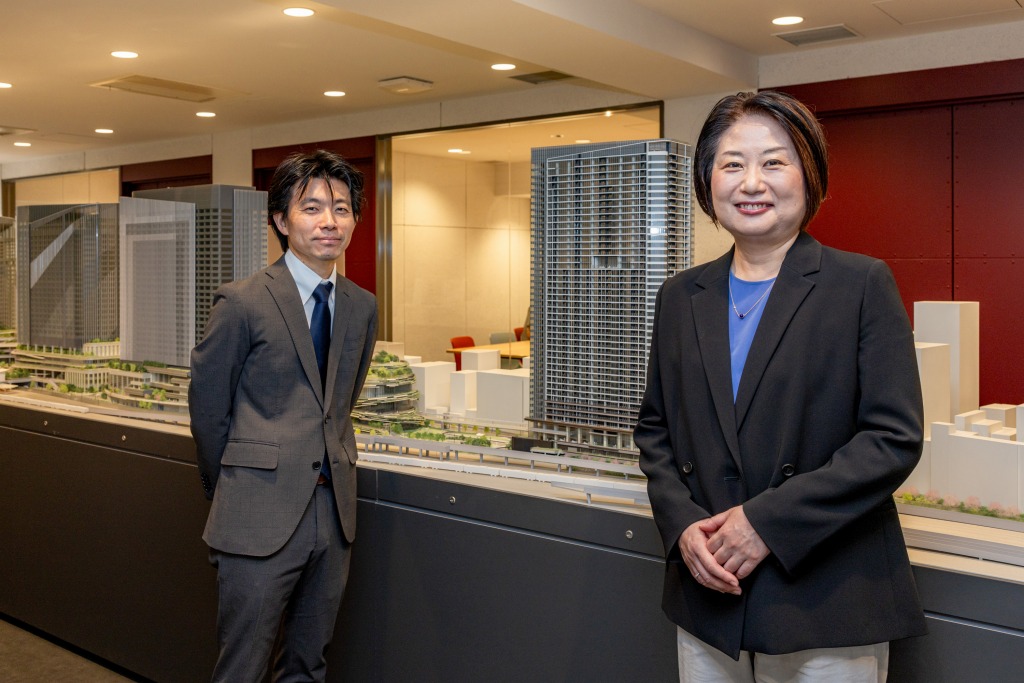
TAKANAWA GATEWAY CITY — A Green Urban District Creating the Future of Everyday Living
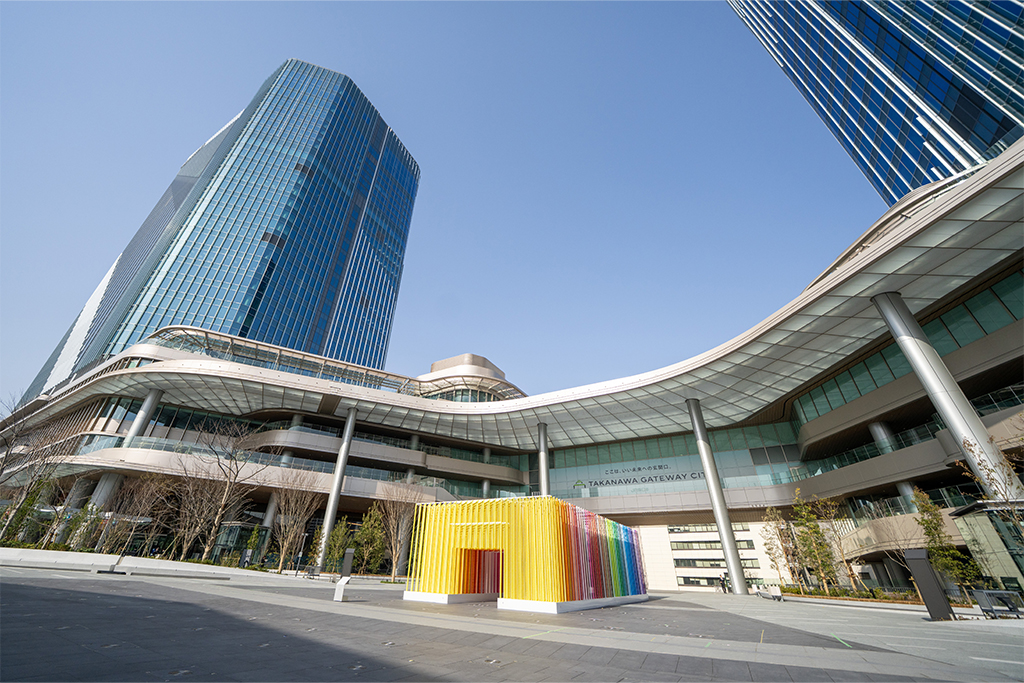
Following its initial announcement in 2014, the opening of Takanawa Gateway Station in 2020, and the district-wide opening in March 2025, TAKANAWA GATEWAY CITY has gradually taken shape as one of Japan’s largest urban development projects.
At the northern end of the site, near Tamachi Station, more than 800 residential units are being constructed.
What kind of lifestyle will emerge in a city designed with the next 100 years in mind?
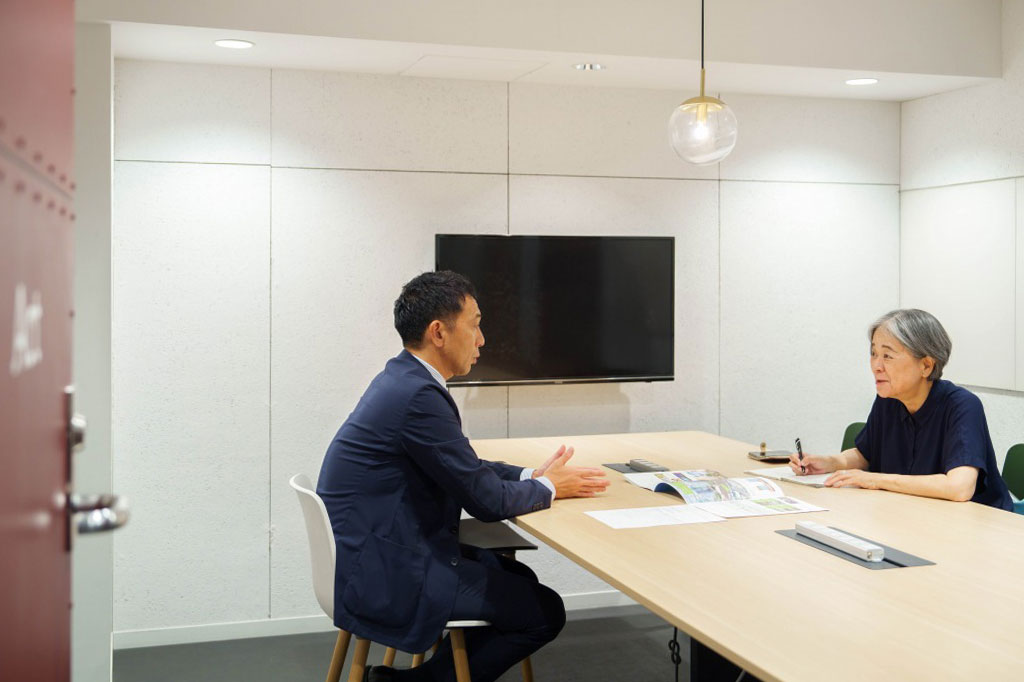
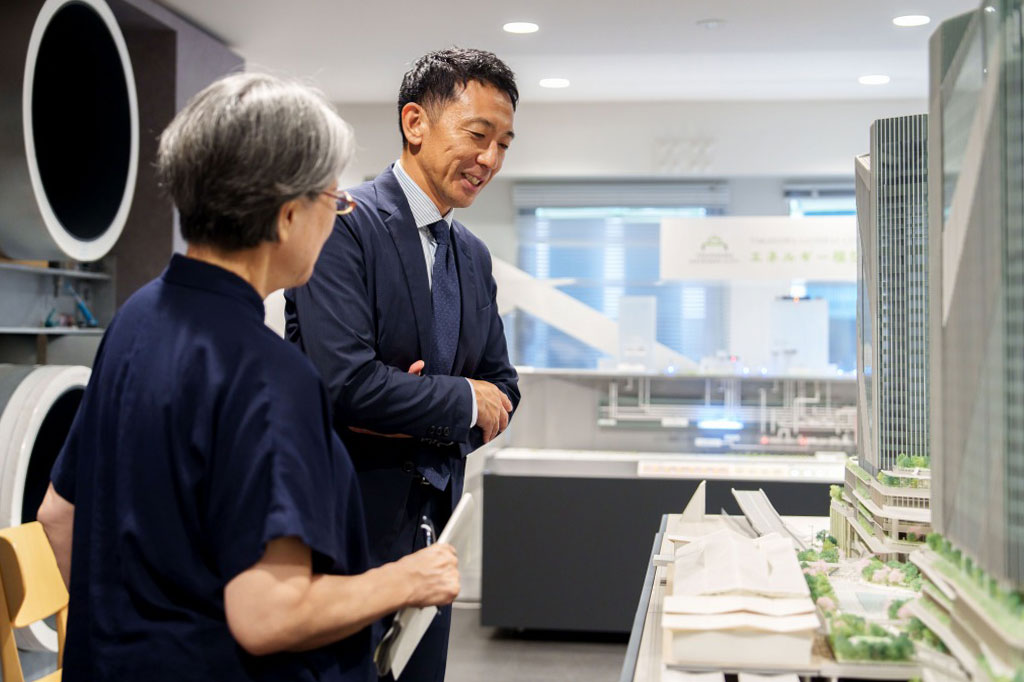
To better understand its appeal, we spoke with Mr. Yoshiya Amanai, Manager of Urban Development at JR East’s Marketing Headquarters, who oversees the TAKANAWA GATEWAY CITY initiative.
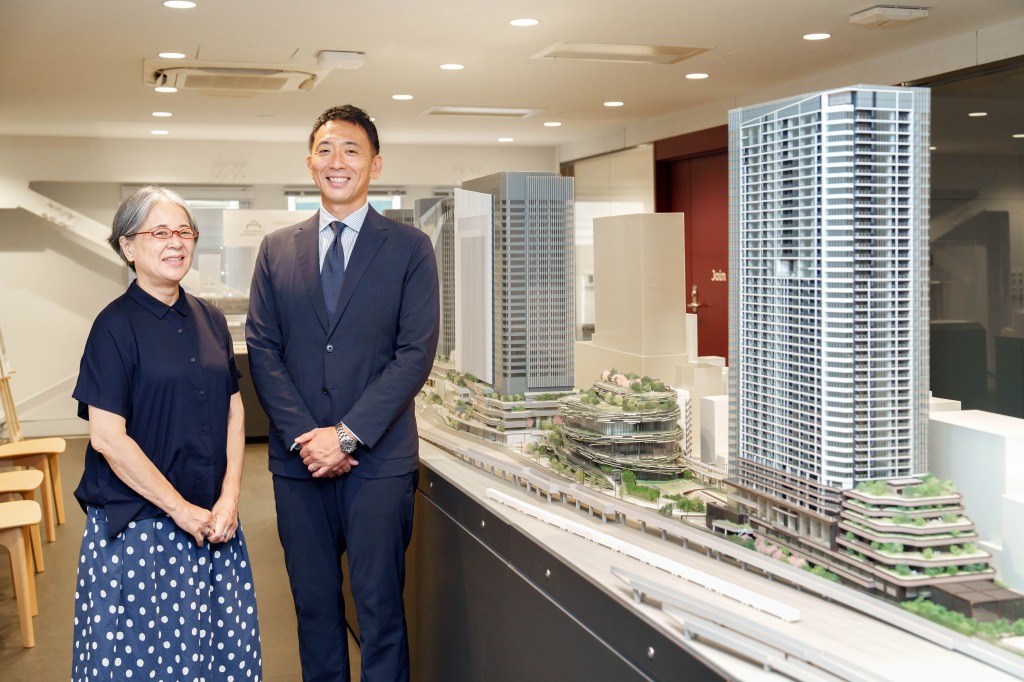
A vast former rail yard reborn as a city that fosters global business and culture
A city born on a vast former rail yard — a place where global business and culture converge.
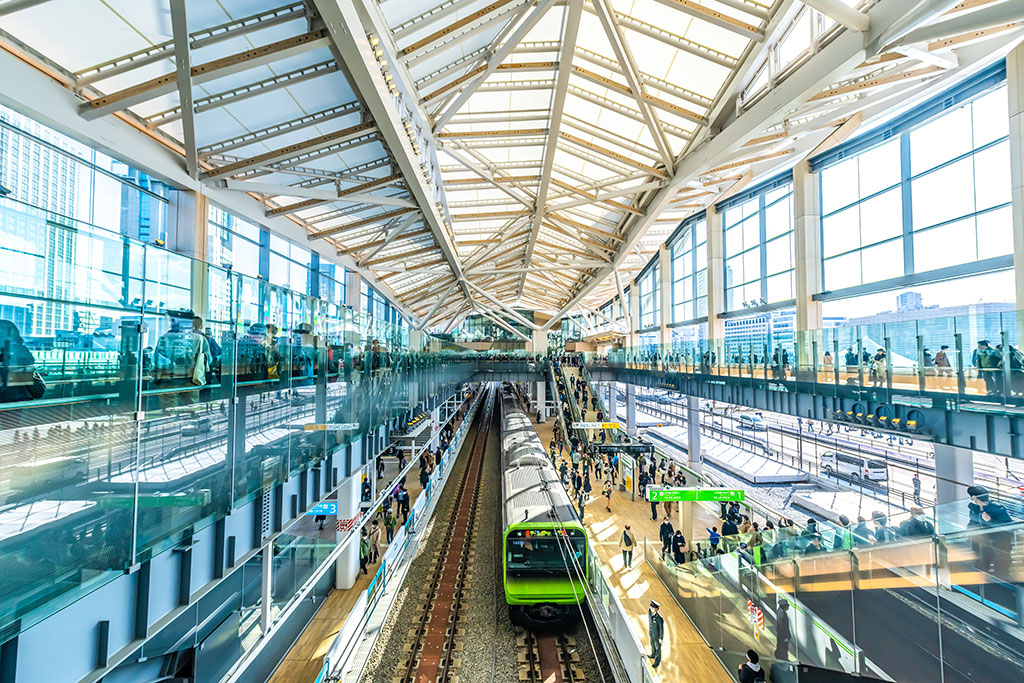
TAKANAWA GATEWAY CITY is a new district centered around Takanawa Gateway Station, built between Tamachi and Shinagawa on the JR Yamanote Line.
The land previously housed JR East’s Shinagawa rail yard. Through major reorganizations of rolling stock storage and maintenance facilities, approximately 13 hectares of urban land became available for redevelopment.
“Having a site of this size in central Tokyo is extraordinarily rare,” says Mr. Amanai.
“When planning began, our goal was to create a new center for international exchange in Japan.”
The project benefits tremendously from its exceptional location, Shinagawa:
Shinagawa Station offers unrivaled domestic access, Haneda Airport—the country’s gateway to the world—is just minutes away, and Sengakuji Station connects the area to Tokyo’s extensive subway network.
This high level of mobility reflects the district’s overarching concept: ‘Global Gateway.’
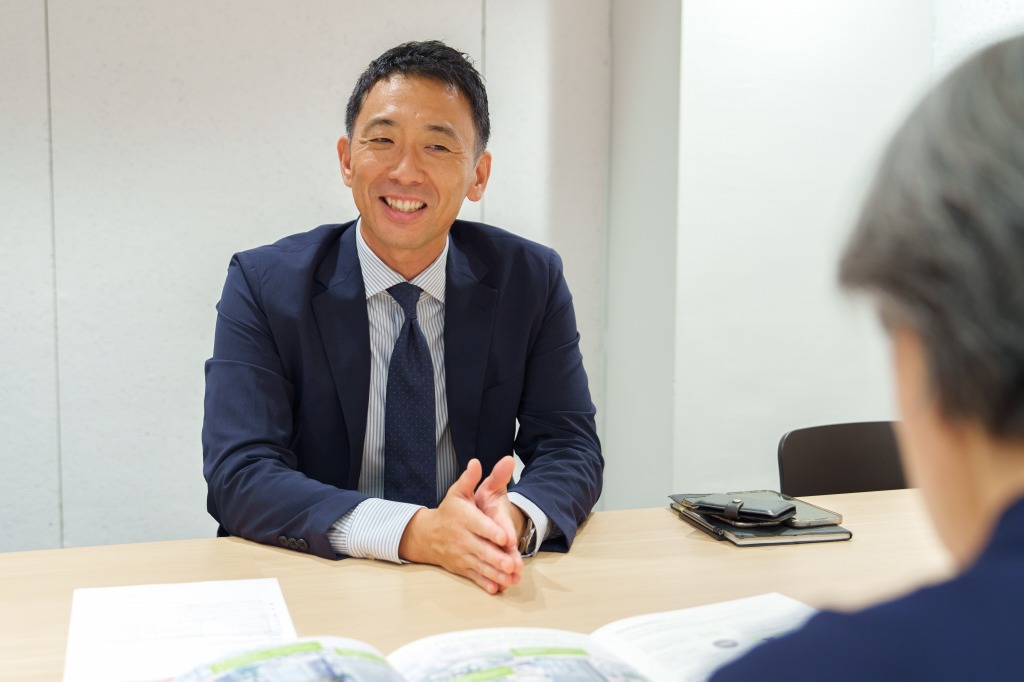
But the meaning goes beyond transportation.
“It’s envisioned as a place where people from Japan and around the world come to live, work, discover, grow, and eventually move on.
A gateway that connects countries, Japanese regions, everyday culture—and the future. A place where people and ideas intersect.”
While Shinagawa had long hosted offices and hotels, it lacked a mixed‑use district where multiple urban functions operate together.
The new development aims to change this by integrating museums, residences, and cultural spaces—creating an environment where business and culture naturally emerge.
“The city’s present form is the result of years of planning aligned with the symbolic opening of the station in 2020.”
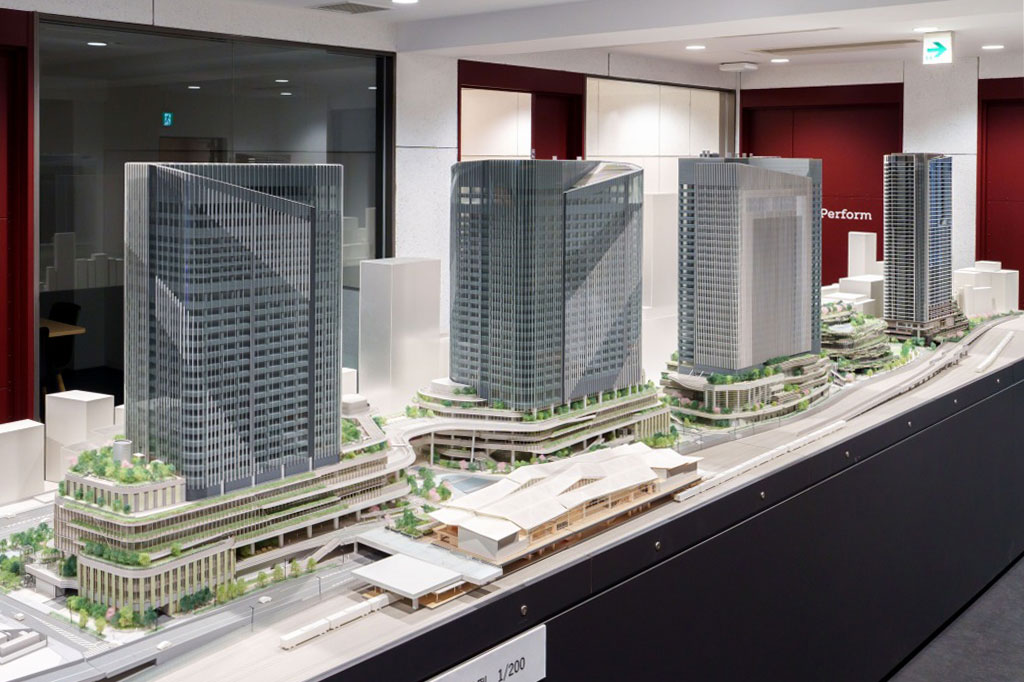
Three keywords for creating a rich and safe urban environment
01. Environment — Advancing planetary health
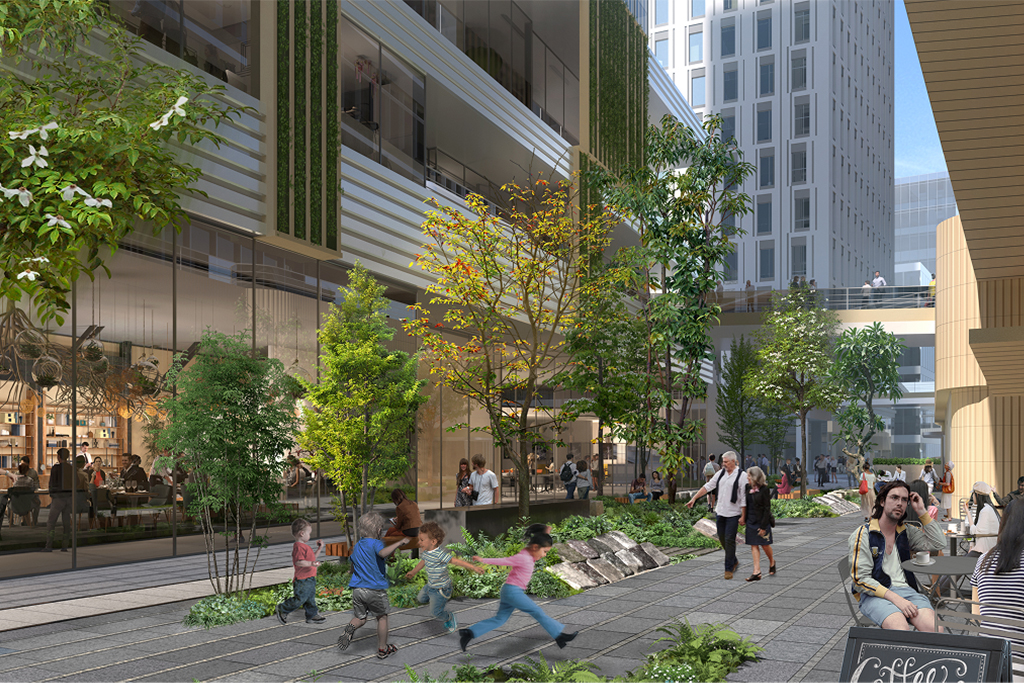
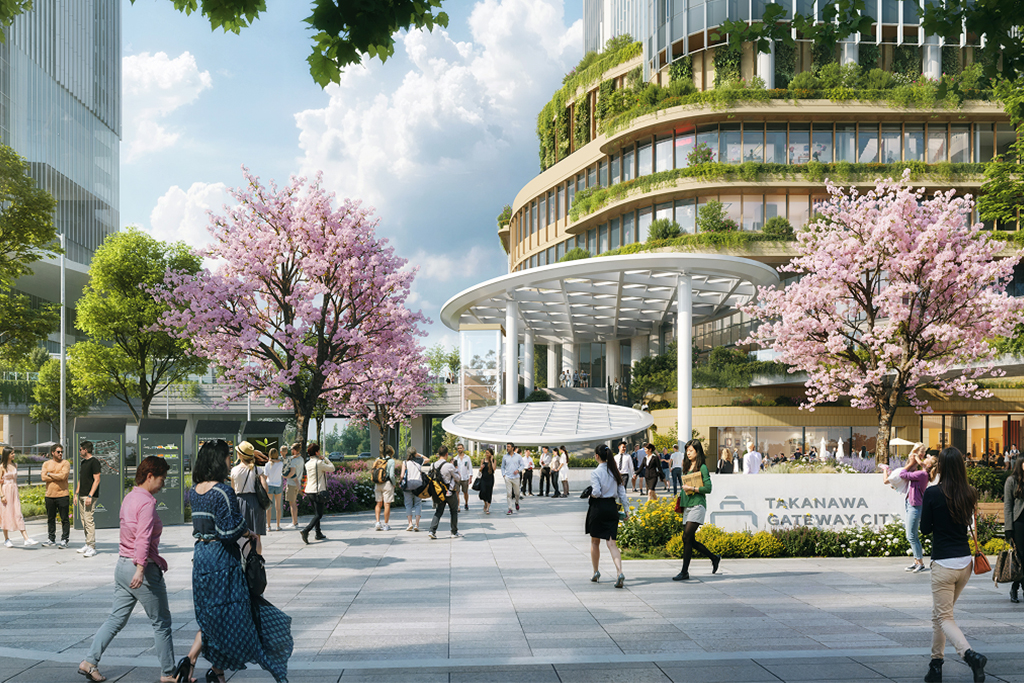
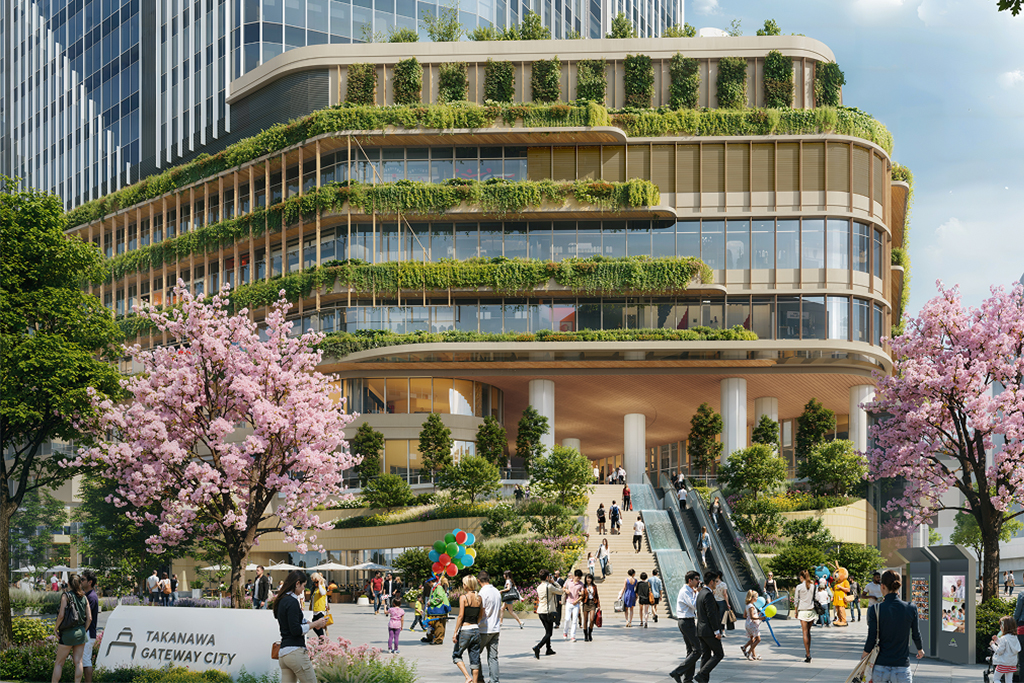
One of the project’s three core themes is environmental sustainability, most visibly expressed through its abundant greenery.
“We are committed to ensuring not only human well-being but also the sustainability and health of the Earth as our shared habitat. While green spaces have increased in recent years, we believe urban redevelopment still falls short both visually and quantitatively. Therefore, we have made it a priority to create comfortable green spaces not only inside buildings but also on their exteriors.
Takanawa originally featured lush native vegetation along the Musashino Plateau’s cliff line.
However, railway tracks had long separated the seaside and inland areas, restricting ecological connection.
By reintroducing large clusters of greenery throughout the district, the project aims to contribute to the long-term restoration of local ecosystems.”
TAKANAWA GATEWAY CITY will include one of Tokyo’s largest Public Realms—about 4 hectares—and a north–south activity zone called “53 Playable Park,” stretching over 1 km.
Around 2.7 hectares will be planted with native tree species, forming landscapes shaped by local water systems and terrain.
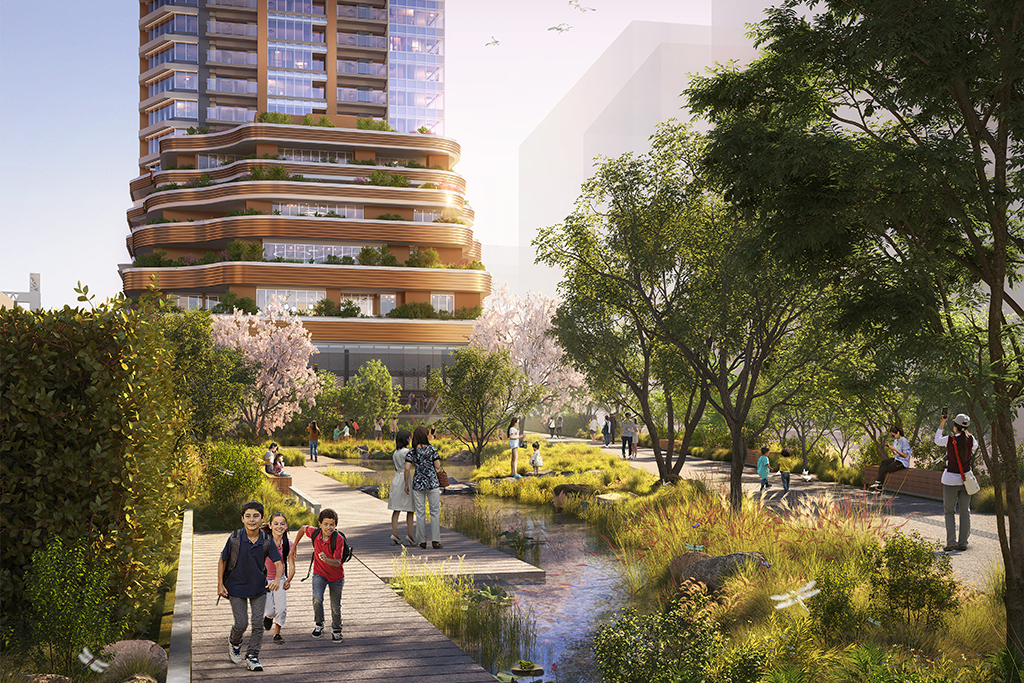
The biotope planned for the north side of the residential building will feature diverse aquatic plants, offering unique views, a soothing natural environment, and a valuable learning space for families with children.
Mobility experiments for a richer life over the next century
02. Mobility — Coexistence between humans and robots
As a development led by a railway operator, experimentation with mobility is central to the district in TAKANAWA GATEWAY CITY.
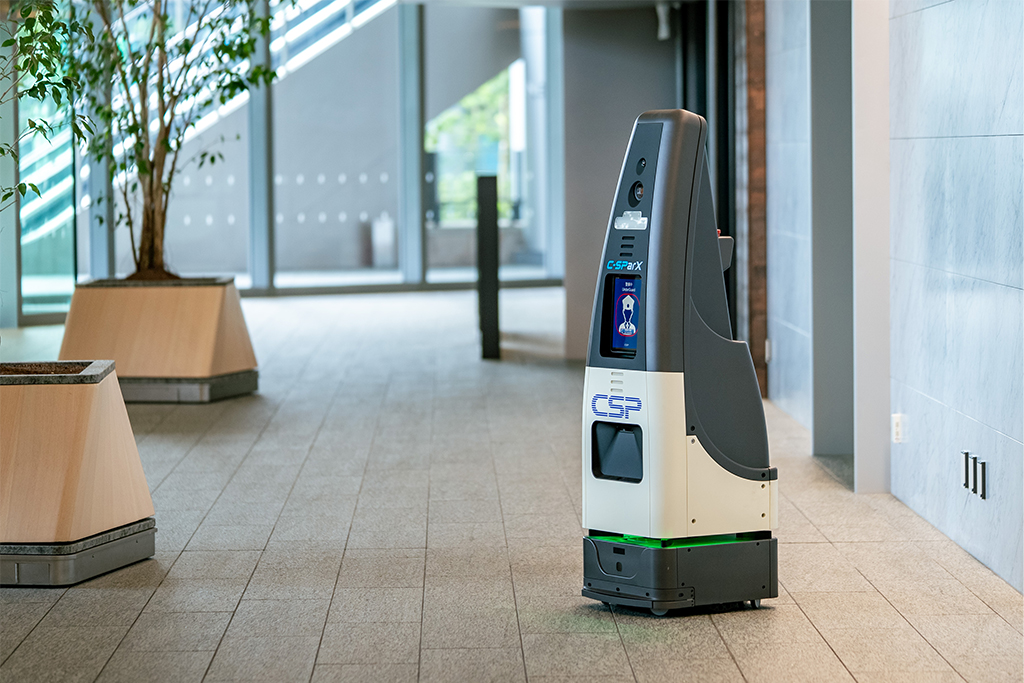
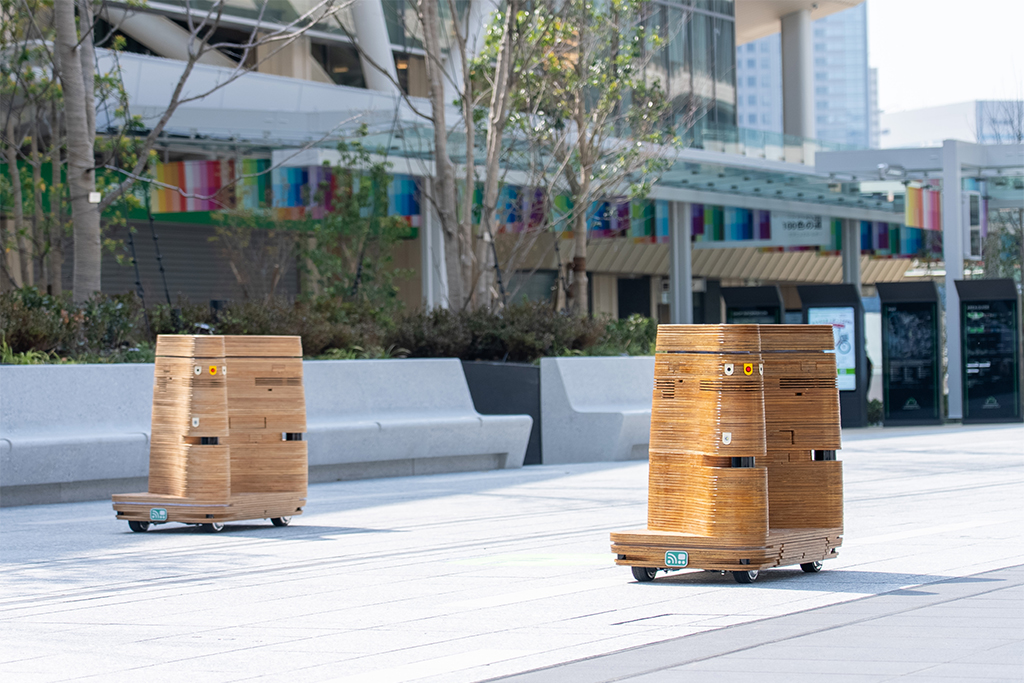
Since the station’s opening, robots handling security, cleaning, delivery, and even personal movement have been tested inside the station.
Across the district, additional trials—such as drone delivery, robotic logistics, and autonomous mobility vehicles—have been conducted.
These innovations will undoubtedly enhance everyday convenience, offering residents a chance to witness technological change on the front line.
03. Healthcare — Creating a society where everyone can live a fulfilling 100‑year life
“Because we position the city itself as a testing ground for future lifestyles, we aim to help create a society where people can live long, healthy, fulfilling lives,” Mr. Amanai explains.
“The project partners with clinics, researchers, and startups to nurture healthcare initiatives across the district.”
While past residential innovations focused on visible aspects—layouts, equipment, and so on—the next era may transform invisible elements such as air quality, microbiomes, and immunity. New materials may also change the very nature of housing. Model units that allow residents to experience future living are under consideration.
If TAKANAWA GATEWAY CITY becomes a birthplace for new technologies, residents will experience these changes directly.
Choosing rental housing to preserve the living environment for the next century
All 800+ units at TAKANAWA GATEWAY CITY RESIDENCE will be available exclusively as rental housing.
“Although JR East has developed housing before, this is its first large-scale rental project.
Because the district aims to serve as an international hub where people continually move in and out, rental housing helps maintain an environment that remains open and adaptable.
While selling units might generate faster profits, JR East chose to retain ownership to ensure responsible long-term management and ongoing improvements over the next 100 years.”
Though no one can predict what the future holds, a flexible, adaptable housing model can maintain livability regardless of societal change.
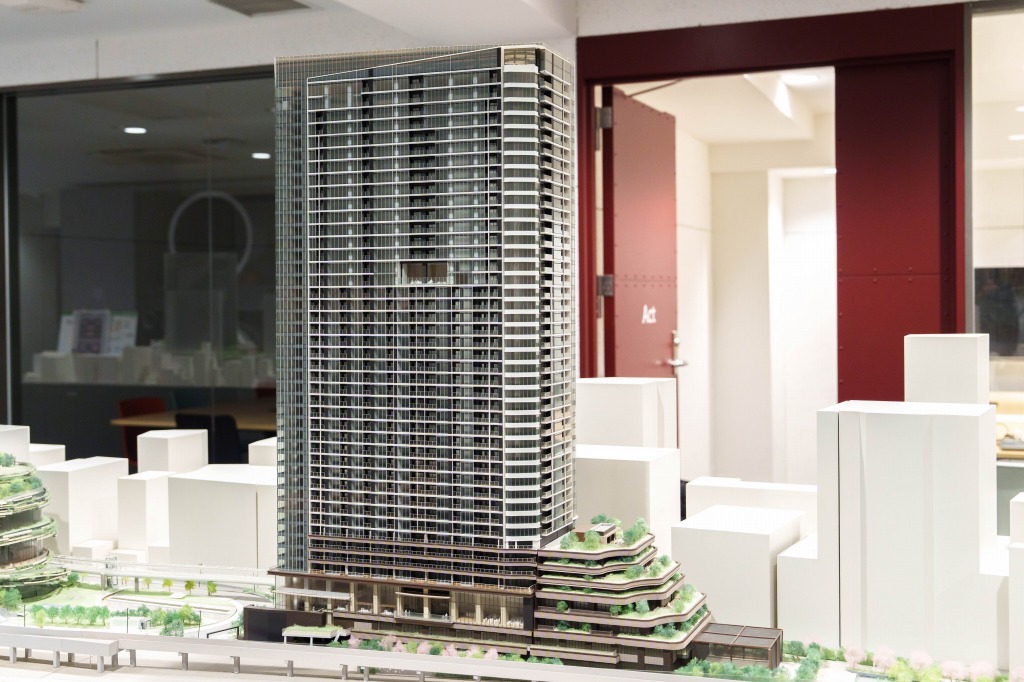
A residential environment enriched by museums, parks, education, and safety
Next, let’s look at the appeal of the residential area itself.
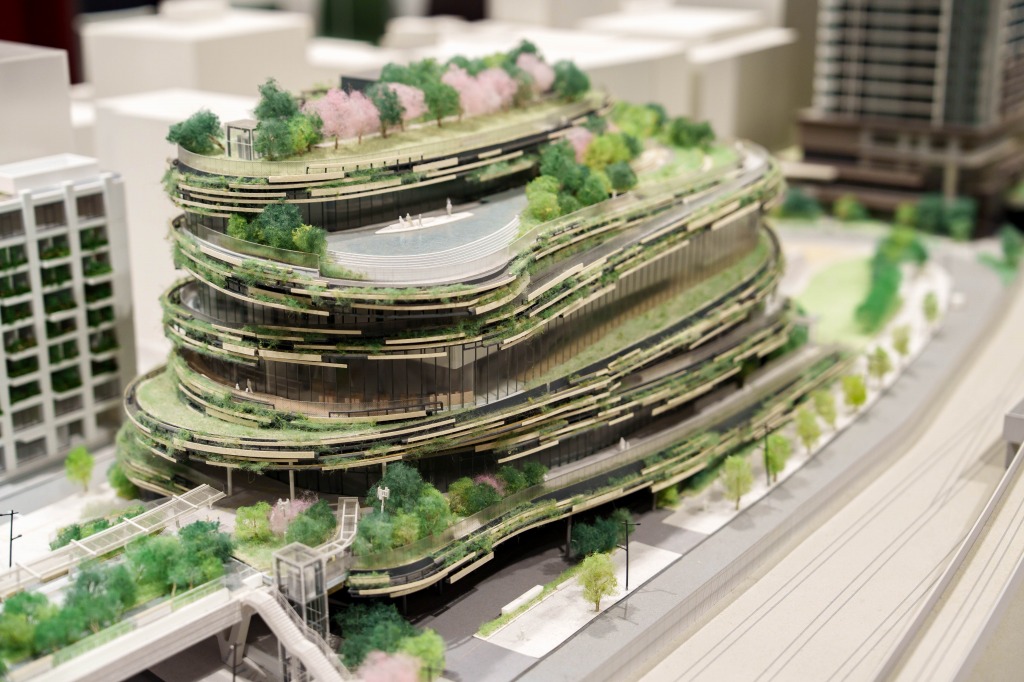
The housing tower is located at the northern edge of the site, and just south of it will be MoN Takanawa: The Museum of Narratives, scheduled to open in spring 2026.
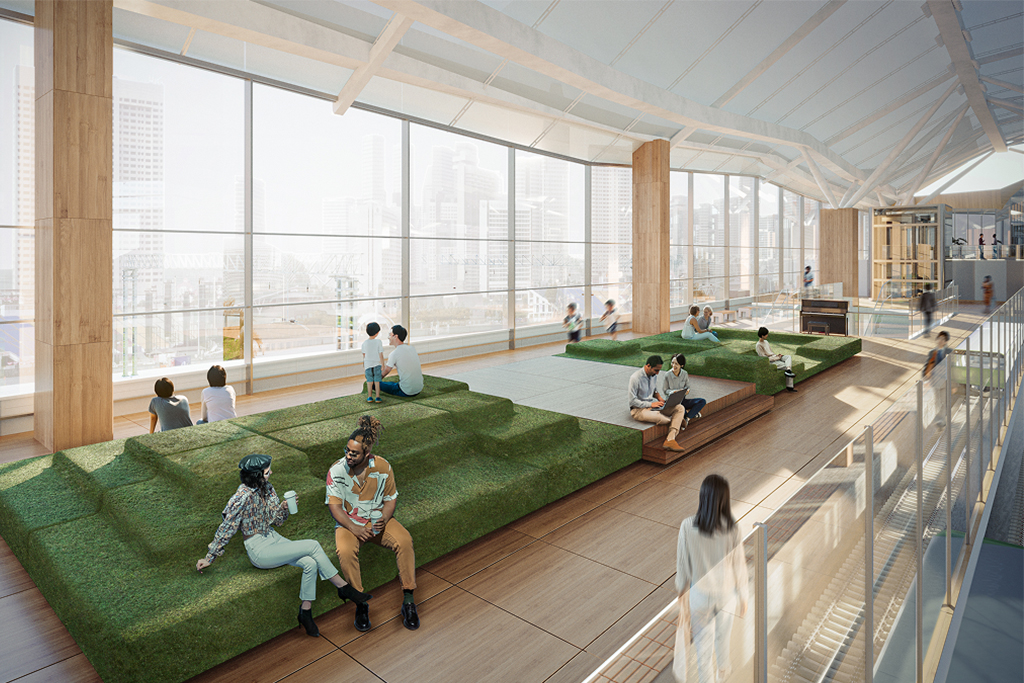
Its six-story oval design features green walkways, a rooftop garden, footbath, restaurant, reading space, and moon-viewing terrace—amenities residents can enjoy almost as extensions of their home.
A park preserving part of the Takanawa Embankment, discovered during construction, will sit between the museum and the residences.
Combined with the biotope and abundant greenery, the area offers a naturally rich environment ideal for children’s development and a soothing retreat for adults.
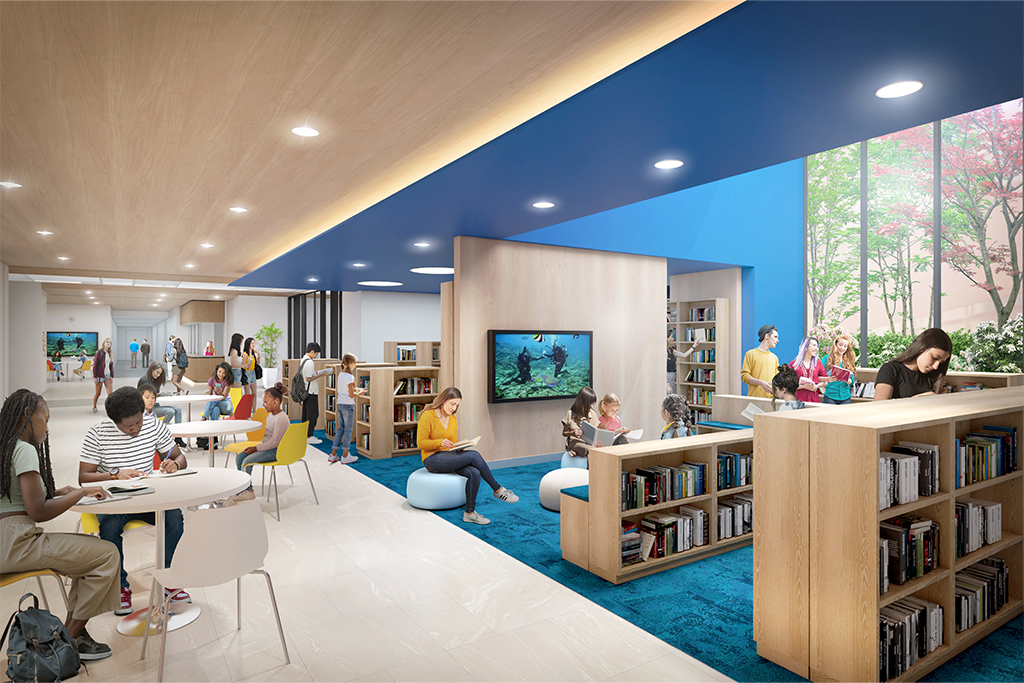
On the lower floors of the residence, Tokyo International School (TIS)—an IB-accredited school—will open, making the area highly appealing for international families.
Convenience will also improve significantly with the opening of NEWoMan TAKANAWA on September 12, 2025, featuring well-known supermarkets and specialty shops.
The lack of large supermarkets and other major retailers in the Takanawa area until now has made the opening of supermarkets like Seijo Ishii and Meidi-ya popular with locals. The bakery opened by VERMICULAR, famous for its cookware, and the new Western Confectionery Shop by the wedding venue Happoen, are also generating buzz.
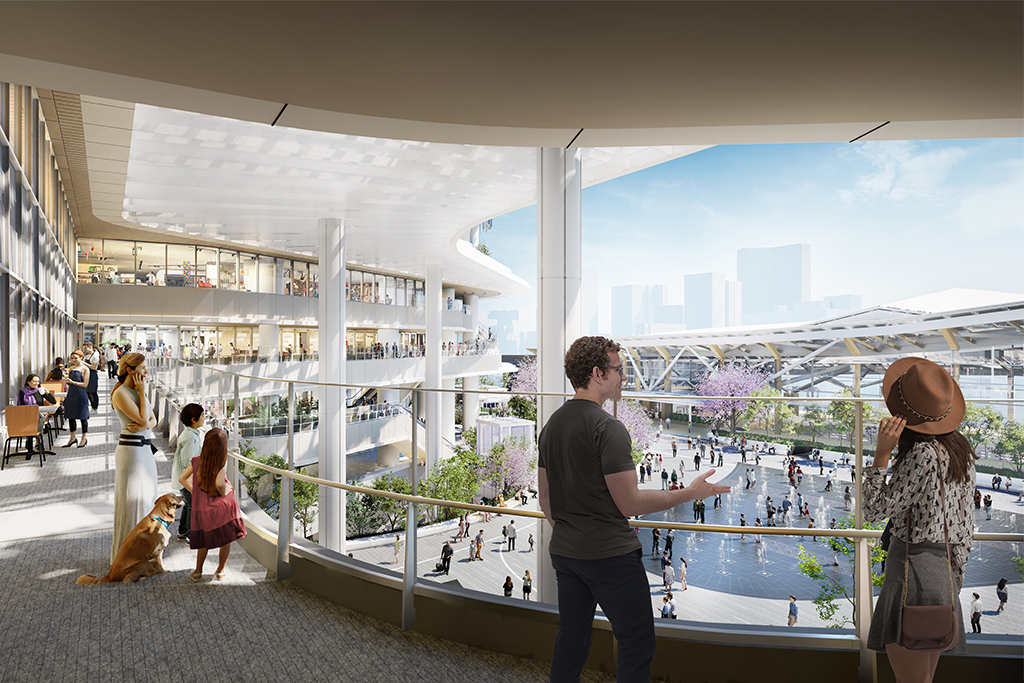
As the railway company , the district places great emphasis on safety said Mr. Amanai.
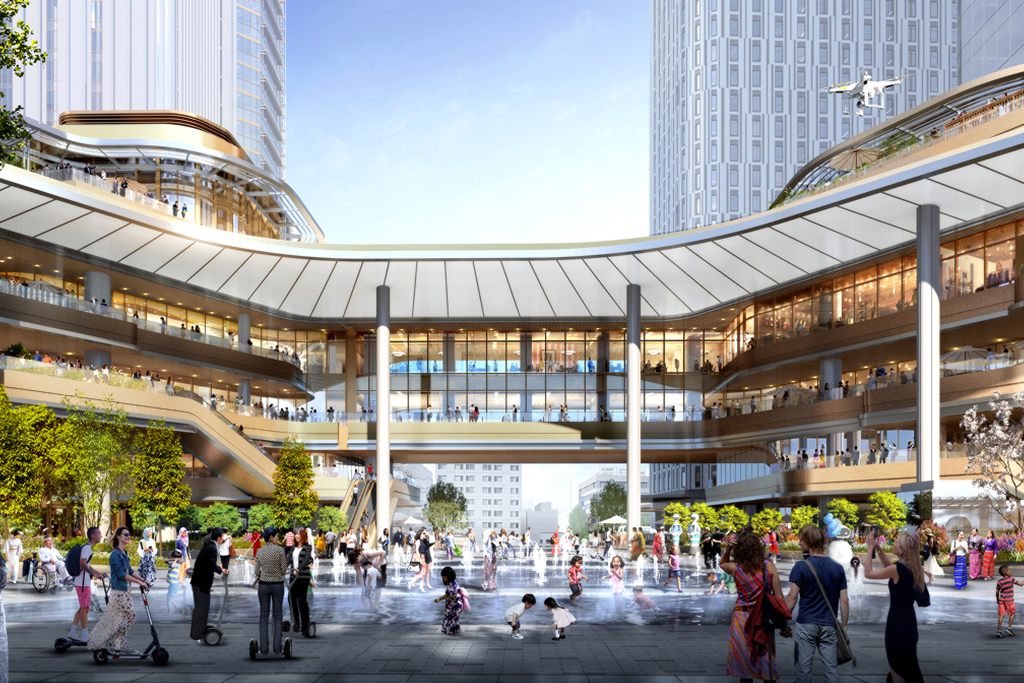
Pedestrian and vehicle pathways are separated, and the station plaza includes a fountain where children can safely play—a rare sight in central Tokyo.
From the real estate perspective, rectangular plots are generally considered more efficient and easier to use. However long and narrow shape of the site creates a city designed for enjoyable walking. Beyond safety, the area is highly walkable, with wide, easy-to-navigate paths, greenery, and places to shop and enjoy along the way.
“When you ride Keihin-Tohoku or Yamanote Lines, TAKANAWA GATEWAY CITY really stands out. It is the city that people will recognize when asked where you live.”
Utilizing scale to build disaster-resistant power systems
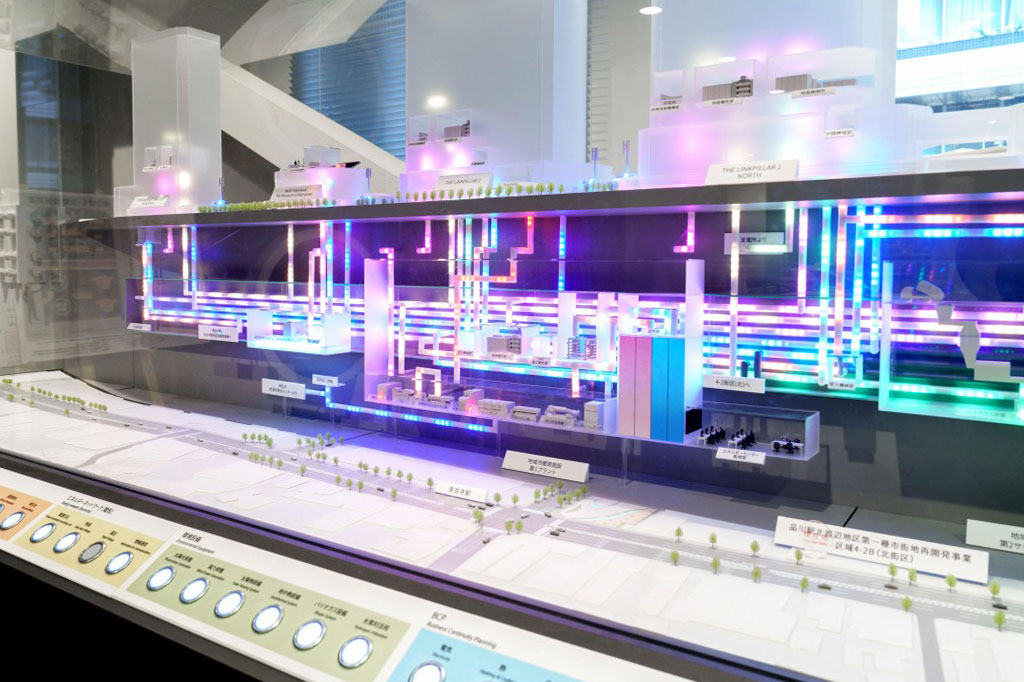
TAKANAWA GATEWAY CITY features multiple redundant electricity supply routes, and if one route becomes unavailable, others compensate.
“Electricity is supplies from three different substations even in the normal, and if one route becomes unavailable, others compensate. All routes have backup systems, forming a six-layer power infrastructure.
If all routes were ever compromised, on-site generation using medium-pressure gas—known for its reliability—would take over.
Further backup fuel storage ensures continued operation.”
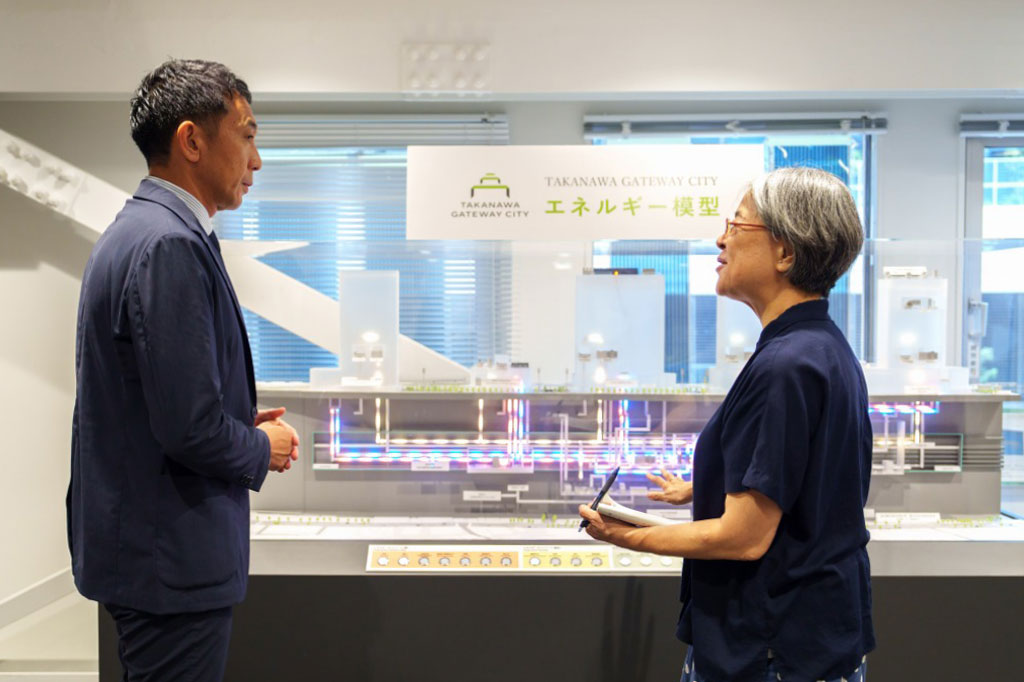
Additionally, a massive 20,000 m³ thermal storage tank, equivalent to eight 50‑meter swimming pools, stores chilled and heated water for distribution across the district—reducing environmental load and providing emergency water during disasters.
“Such robust systems are possible only because the district integrates multiple building types—residential, office, commercial—each with different energy demand cycles.
If we were to consider preparing these facilities solely for residential use, a much larger plant would be required, making it impractical. This is one of the advantages of complexification.”
A community that grows through interaction with its neighbors
Though TAKANAWA GATEWAY CITY is new, the surrounding Takanawa area has long been a residential community.
Since 2021, collaborative activities—such as hop cultivation for local craft beer, music gatherings centered on the station’s piano, and urban beekeeping—have brought together locals, schools, and businesses.
Mr. Amanai hopes future residents will join and enrich this evolving community.
“Takanawa area has more population than in Roppongi, Shibuya, or Shinjuku, which is quite rare for a central Tokyo development. I hope that longtime local residents and newcomers will mingle and create a community with active communication.”
Interactions among locals create joy and revitalize a community. If a region becomes more interesting, it brings greater satisfaction to residents, and it fosters a support network in times of trouble. The essentials are all located within TAKANAWA GATEWAY CITY, but the extra elements outside the facilities will surely make every day more exciting.
From an infrastructure company to a lifestyle-supporting company — living in a city of new initiatives
We have briefly looked at TAKANAWA GATEWAY CITY where various initiatives are underway and TAKANAWA GATEWAY CITY RESIDENCE that will open there. At the conclusion, let’s look at the appeal of living in this city from a slightly different perspective. That is, this city may become significant when looking back on its history.
TAKANAWA GATEWAY CITY and its upcoming residences represent an ongoing transformation. JR East, long known as a company supporting society’s infrastructure, is now shifting toward becoming a company that supports everyday life.
“We’ve operated for more than 150 years as a company that supports infrastructure. However, with this project, we are expanding what ‘infrastructure’ means and shifting toward becoming a company that supports everyday life. To do that, we’re taking on many initiatives we’ve never attempted before.”
Takanawa—once home to Japan’s first railway and long a behind-the-scenes rail yard—now begins a new chapter as a testing ground for future living.
For those attuned to societal change, living here offers the chance to witness the next major transformation of Tokyo.
As the center of gravity of the Tokyo metropolitan area shifts westward and reaches Shinagawa and Takanawa, the broader region is poised for renewal.
“The existing city may be reaching the limits of its ability to adapt to change, and perhaps a new place may be needed. That’s where the broader Shinagawa area, centered on Takanawa, comes in. The plan is to create a city that is constantly changing, cutting-edge not only in what you can see, but also in what you can’t.”
Most of us will never see the world 100 years from now—but living in a place designed with that future in mind can be exciting and inspiring.
- Property Covered
- Special thanks
East Japan Railway Company
JR East Urban Development Corporation
- Outline of TAKANAWA GATEWAY CITY RESIDENCE project
[Operator] East Japan Railway Company
[Lessor] JR East Urban Development Corporation
[Management] JR East Residential Service Co., Ltd
[Rental Agent] R.A. Asset Management Inc.
[Brokerage] Ken Corporation Ltd.
EDITOR: Hiroko Nakagawa
Representative Director of TOKYOJOHODO. A commentator on city areas and living spaces, having visited most cities within the Tokyo metropolitan area as a specialist in choosing cities to live. She studied geography and history at the Waseda University School of Education, and after graduation, she worked on articles and books as editor and writer for Toyo Keizai, HOME’S PRESS, tokyojin, and other print and digital media outlets. She has published many books, including Kono machi ni sundeha ikenai (MAGAZINE HOUSE), Kaikeitsu! Akiya mondai, and Tokyo kakusa (published by Chikuma Shinsho), among others. She is a member of the Geographical Association of Japan, the Japanese Geomorphological Union, and the Japanese Association of Groundwater Hydrology. She is also a certified specialist in real estate transactions and a certified administrative scrivener.