Courage and Confidence – International School of the Sacred Heart
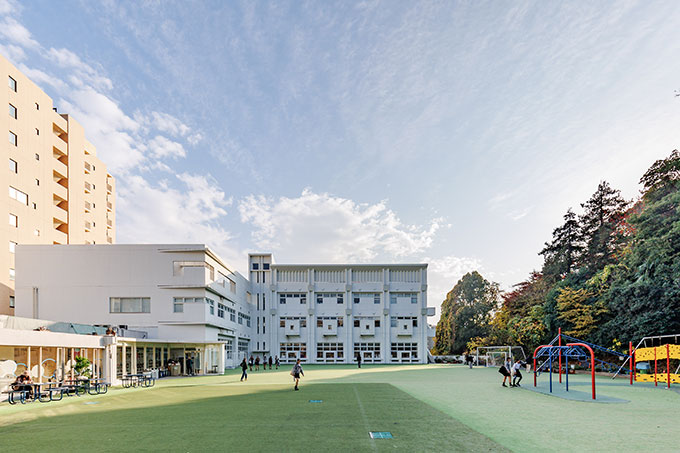
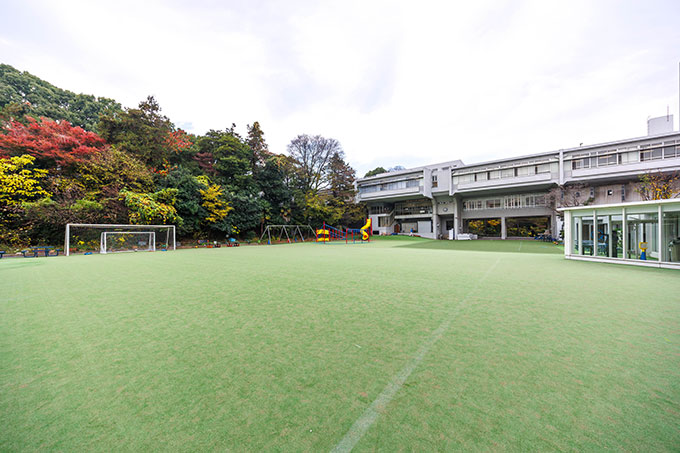
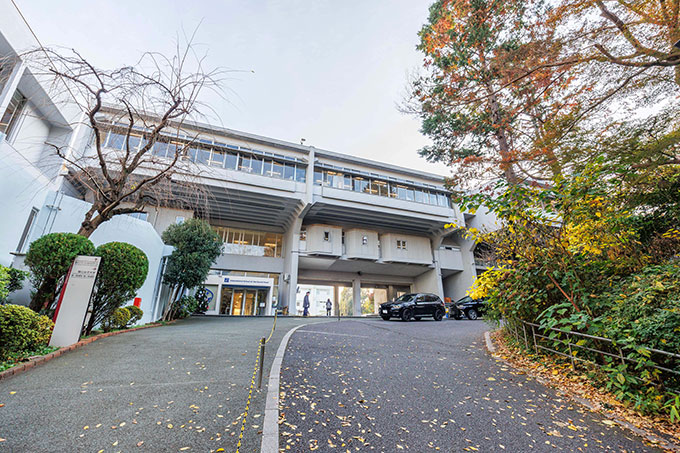
The Society of the Sacred Heart was founded in France in 1800 with the aim of providing an education for girls that would prepare them to have a positive impact on an ever-changing world. Just over 100 years later, four members of the Society traveled from Australia to Japan to start a school that carried on the traditions and ethos of the Sacred Heart. Well over a century on, Tokyo’s International School of the Sacred Heart, located on a quiet hillside surrounded by trees in the city’s Hiroo neighborhood, continues to serve the needs of each new generation of girls. The school’s longevity is a testament to its ability to change and adapt with the times. But as we enter the second quarter of the 21st century, the question remains: are there still merits to an all-girls learning environment?
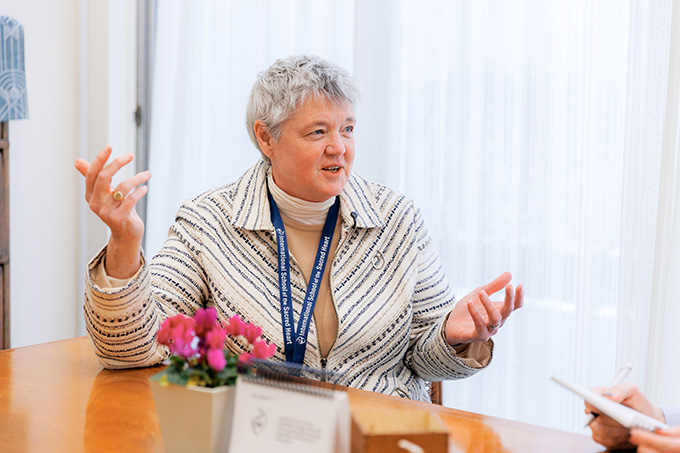
Sister Anne Wachter, School Head of ISSH since 2023, argues that yes, there are—and they are many. “Co-ed schools favor boys,” she explains—a claim which on its surface may seem bold, but which has been established by several large-scale reviews in several countries.* In co-ed environments, girls often receive less attention from teachers and are called on less often, while boys tend to dominate classroom talk, even when girls’ academic achievements are equal or greater.
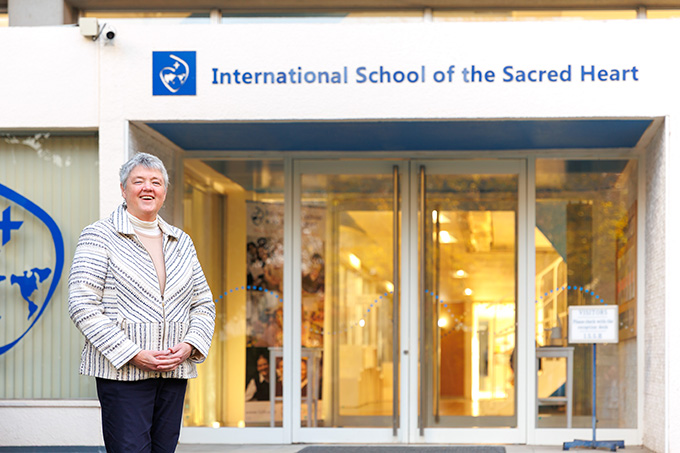
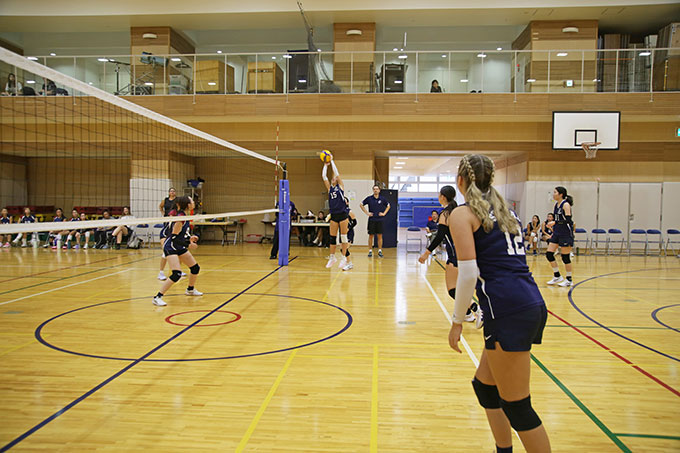
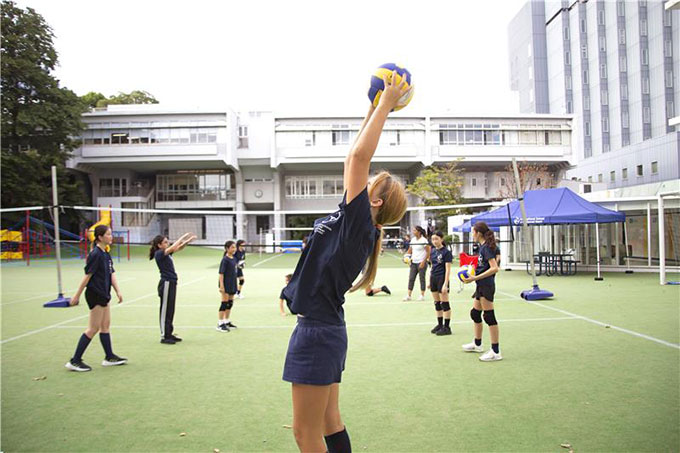
But the matter goes beyond the quality of teaching that girls receive. In the presence of boys, girls are less likely to put themselves forward for leadership opportunities, to express their opinions in class or try new things, for fear of embarrassment or judgment. In a girls’ school, freed from the pressure of worrying about what boys will think of them, the students are more willing to experiment, to give their all in sports and physical activities, and to join in class discussions.
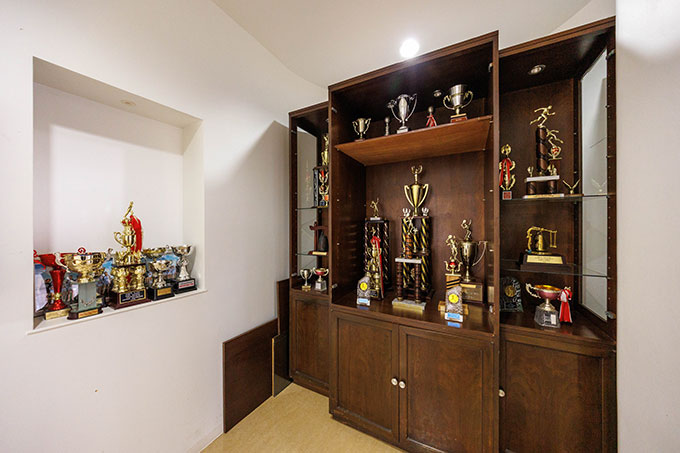
While ISSH welcomes students of all faiths and backgrounds, its approach to taking care of the young people in its charge is guided by Christian values such as love, generosity and compassion. The school seeks to nurture not only the minds and bodies of its students, but also their souls. All schools aim to prime students for future success, but ISSH places emphasis on something that is often overlooked. As Sr. Wachter puts it, “We want our girls to succeed, but above all, we want them to be significant—in whatever it is they choose to do.” In an age when much of our attention is demanded by short-form, throwaway content, and young people are conditioned to believe that internet fame and flashy wealth are the central metrics for success, an appeal toward significance feels like much surer footing for children to forge a path forward in the current climate.
Sr. Wachter relates the story of an interaction with a student that embodies this philosophy of significance. Like all schools, ISSH is wrestling with the issue of AI as an educational aid, and has policies in place that allow students to engage with these tools sensibly and in moderation. Recently, a Grade 6 student, deeply affected by several recent tragedies across Asia, felt moved to contribute a prayer to a school assembly.
The empathy and initiative this young girl demonstrated are significant in their own right, but Sr. Wachter explains that the student also wished it to be known that she did not use AI when writing the prayer—that it was all her own work. While it is unfortunate that we are living in an age where this clarification is necessary, the fact that it was made reflects positively on the student’s attitude to her own thoughts, and to the use of AI. AI tools can be a tempting route to quick success, but this student understood that the journey from the impulse that moved her to create to the creative process itself gave her composition value that no AI tool could convey; it gave it significance.
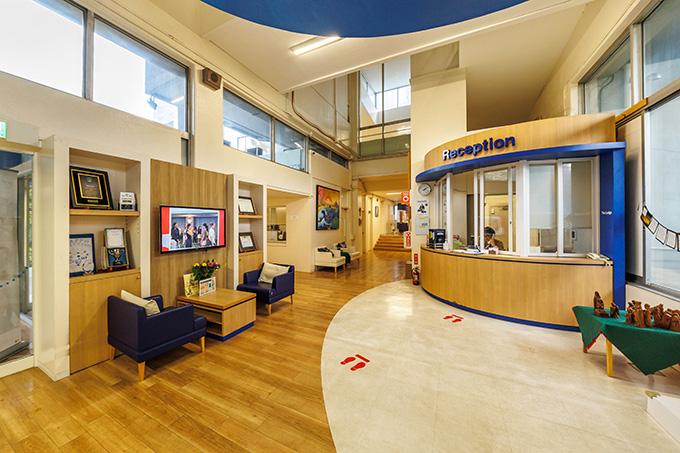
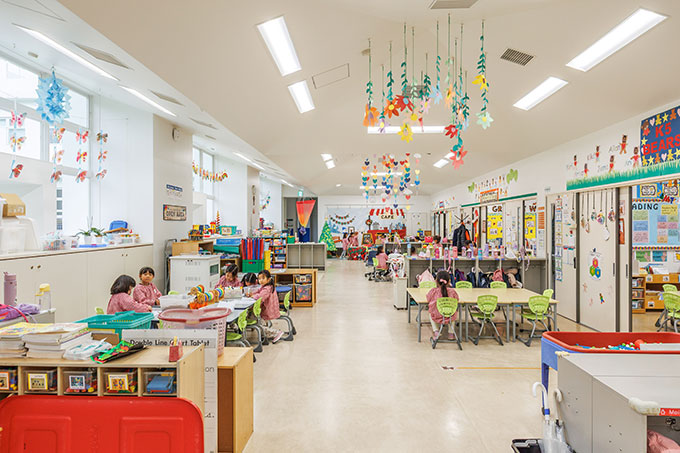
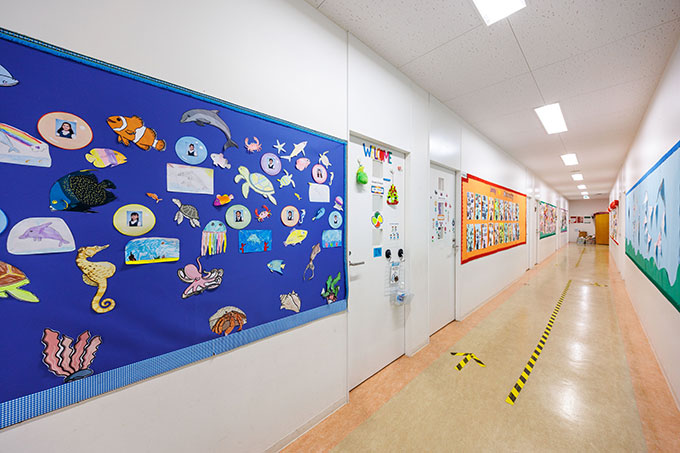
That sense of inner integrity and purpose is closely linked to another priority at ISSH: student wellbeing. To create an environment where students can flourish, personal wellbeing must come first. This begins at the admissions stage, and to ISSH, it’s vital that all parties feel that the environment is right for the child. “If it’s a good fit for the student and for the school, that’s the most important thing,” says Sr. Wachter. “If a student has needs that we can’t meet, it’s not fair to put her in this environment.” All staff, from board members to homeroom teachers, school counselors and volunteers, take the safeguarding of students seriously and are always on the lookout for signs that anything might be amiss. “We want the students to have fun at school, and you can’t have fun if you’re worried.”
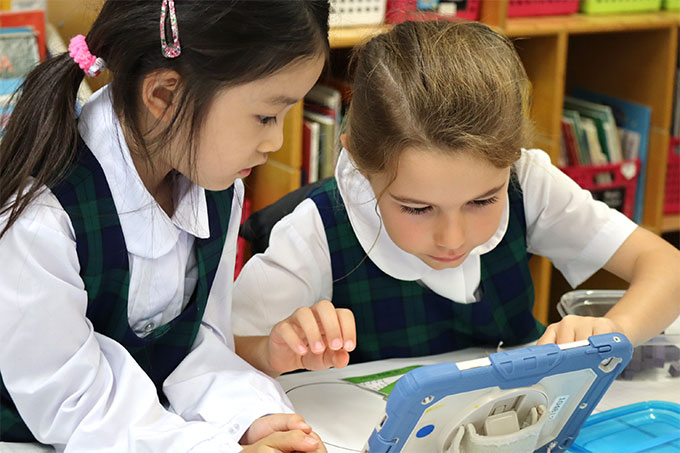
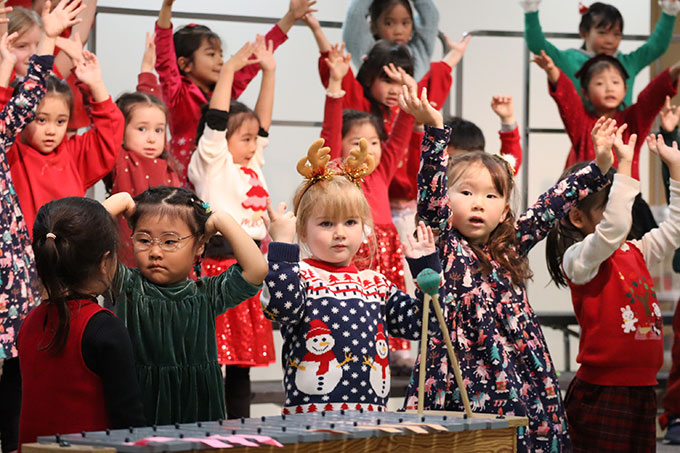
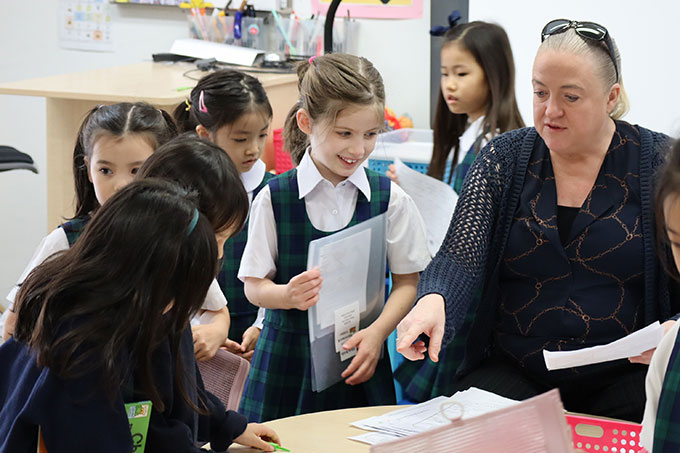
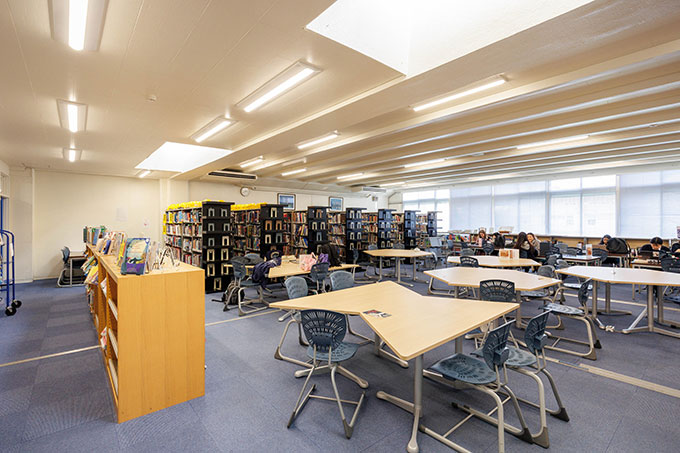
That focus on wellbeing naturally extends beyond the classroom. And support does not stop at the students, nor does it come only from the school and its staff. ISSH is a focal point of community for its students’ families, hosting and organizing activities throughout the school year, many of which are led by the parents themselves—from hiking trips to shopping runs to Costco to pick up international foods that are otherwise hard to find in Japan. In a city as large as Tokyo, your children’s school can become your neighborhood—the place where you see familiar faces, make friends, and take part in events. The school can help soften the landing for those who are newly arrived and still finding their feet. The school’s Tennis Circle, for example, reaches out to new families who might be interested in joining and taking advantage of the school's US Open-standard tennis courts. The Parents’ Association also hosts a “Break the Ice” party in addition to many fundraising and social events throughout the year. Parents also help out in the school library and can appear as “mystery readers” in the Junior School, so there are many ways for families to be involved in school life beyond the morning drop-off.
For many families, that sense of community begins even before the first day of school. Becoming part of a community starts with finding a home, and the school’s admissions office works with KEN Corporation as they assist new arrivals and prospective inbound expats. Over the years, KEN Corporation has supported many members of the ISSH community—not only incoming student families, but also faculty and staff—helping them find housing that suits their needs and timelines. That practical experience has helped KEN build a close relationship with the school and a nuanced understanding of what matters to Sacred Heart families as they settle into Tokyo.
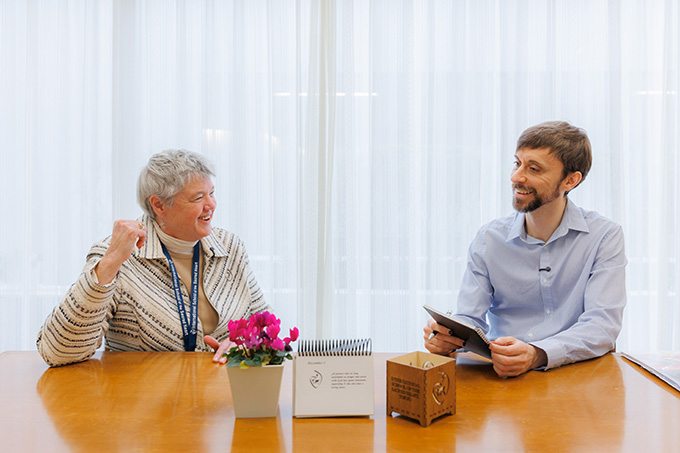
For parents navigating a move, having advisors who know the school community firsthand can make the relocation process feel more personal and reassuring. Maintaining positive connections between schools and a real estate company like KEN Corporation can be a great asset when it comes to advising parents about their options for their child’s education. “We partner with people who share our values,” says Sr. Wachter, “and I think KEN Corporation really cares about not just relocating people, but helping them find a home.”
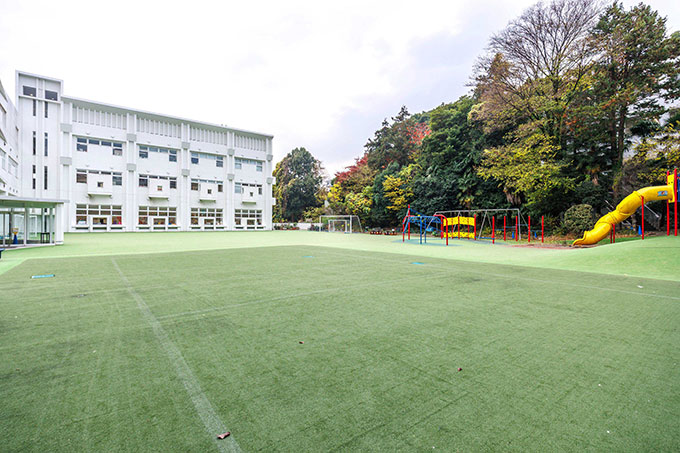
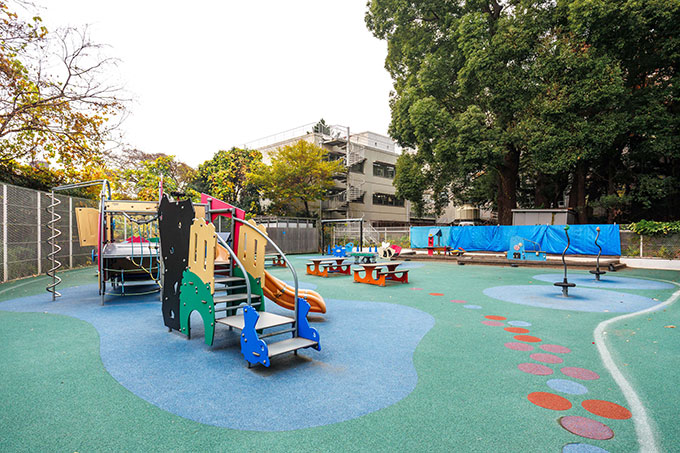
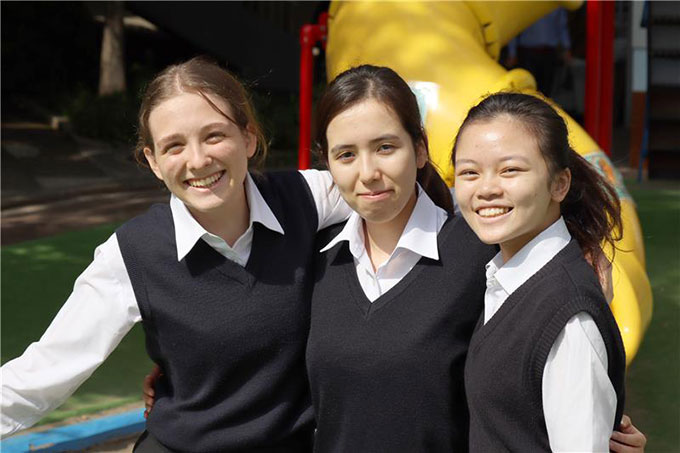
That strong local community is only one layer of what ISSH offers. Beyond the community that the school brings to students’ families, the students themselves become members of the wider global community that is the Sacred Heart Network. The bonds, goals and shared mission of the Sacred Heart are so strong that students from any school can visit any other and still feel at home. Connections between schools are maintained through exchange programs as well as sports and creative competitions. Once your daughter joins a Sacred Heart school, she will have a community for life. Sr. Wachter herself attended a Sacred Heart school in the US and has worked at schools in NYC, San Francisco and Nova Scotia. She attended a world congress of the Sacred Heart in Tokyo in 1986 during which she visited ISSH and it left an impression on her, so when she returned as School Head in 2023, it was something akin to a homecoming. Through the values it shares with its sister schools around the world, and its deep roots in the community through its staff and student families, ISSH offers this sense of familiarity and home that can be a welcome relief for those faced with the culture shock that is all too common when moving to a culture that is so different from the one they are accustomed to.
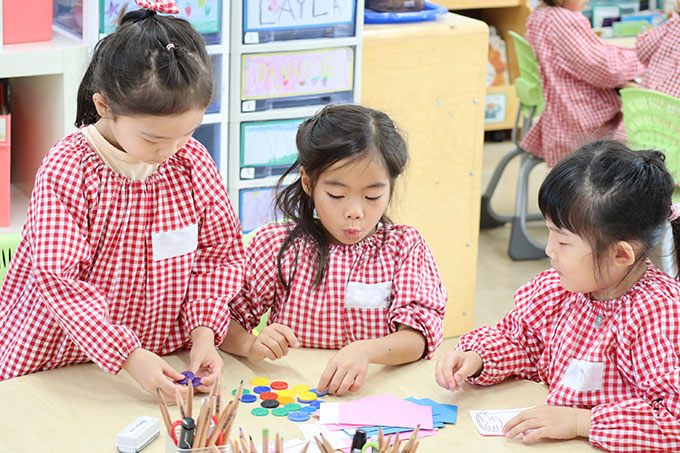
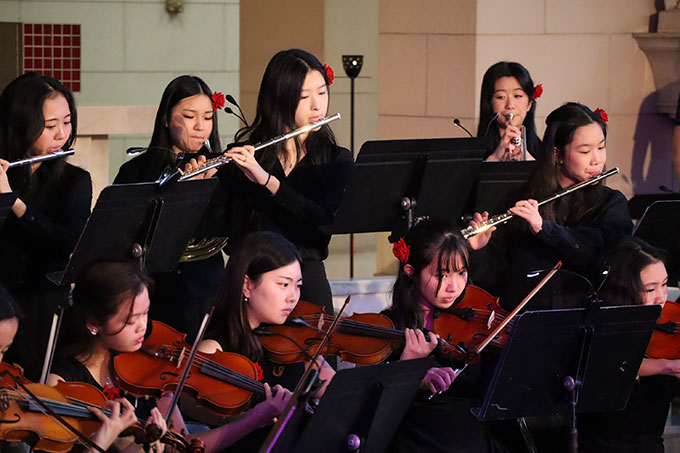
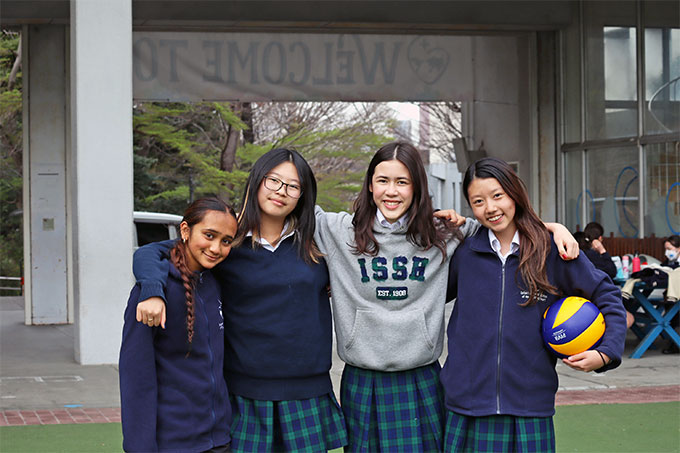
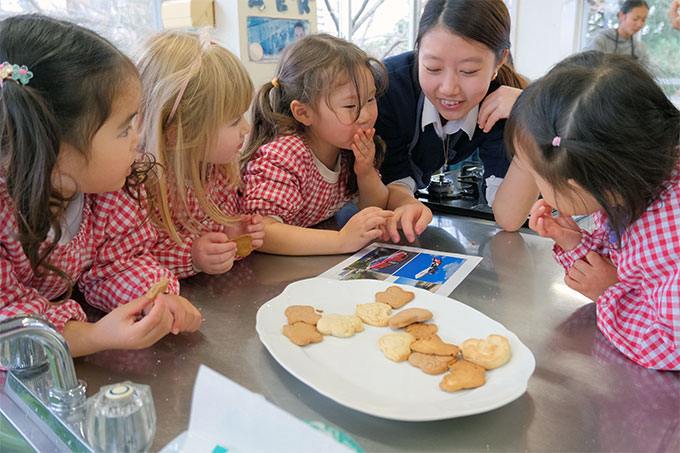
Even as they remain closely connected to this international network, Sacred Heart schools are deeply rooted in their local cultures. Of course, Sacred Heart schools also embrace the culture of their host countries, with local phraseology and concepts becoming part of the everyday school vocabulary. ISSH hosts an annual Japan Day where students try on traditional Japanese dress, and engage in traditional performing arts, crafts and cooking, taught by members of the school community. Japanese language is taught at every grade, and to meet the vastly different needs of students with varying levels of exposure and different class schedules, there are 52 levels of Japanese language classes, something unique among language instruction in Sacred Heart schools. Parents can therefore feel confident that their child will not feel either underserved or lagging behind in their study of Japanese, and have the opportunity to acquire language skills that will help them to settle in, and further enrich their experience of life in Japan.
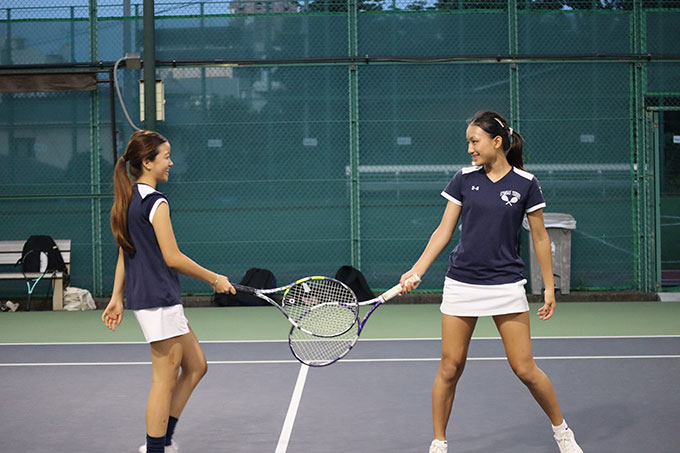
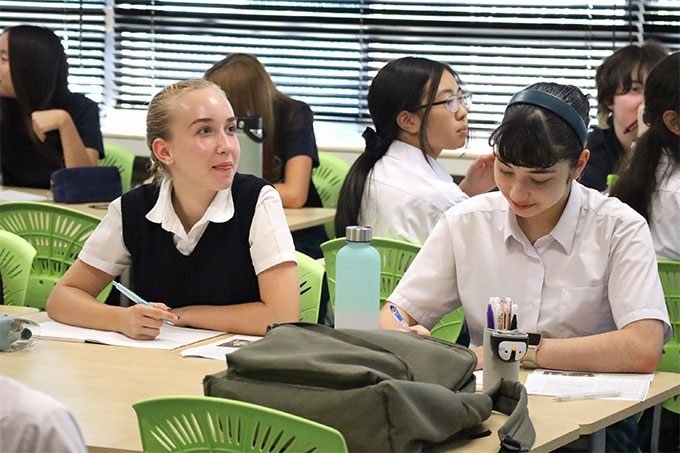
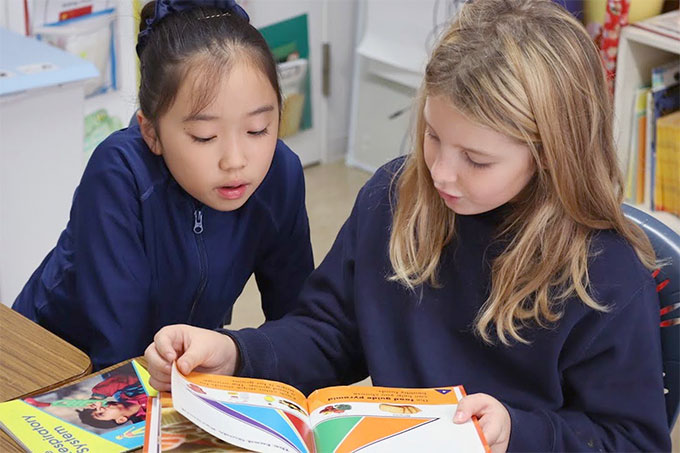
ISSH offers a curriculum accredited by the Council of International Schools (CIS) and the Western Association of Schools and Colleges (WASC). In Kindergarten, the school emphasizes play-based learning to build foundational language, numeracy, social, and motor skills. The Junior School then focuses on developing strong mathematics and English literacy while using the International Primary Curriculum for science and social studies.
As students advance to Middle School, the curriculum is designed to build confidence and to nurture values, empathy, and a strong sense of belonging. In High School, students can challenge themselves with 22 Advanced Placement (AP) courses, and each year graduates achieve a 100% university acceptance rate.
For families looking not just for a school but for a community and a sense of home in Tokyo, ISSH offers a rare combination of tradition, values, and forward-looking international education. Parents considering ISSH for their child, whether they have connected with the school directly or through KEN Corporation, can take advantage of the school tours on Thursday mornings during the school year for both the Kindergarten/Junior School and the Middle/High School divisions. There is also a Kindergarten and Junior School Open House held in the fall. Those unable to attend a tour in person can check out the virtual tours on the school’s website, and the admissions office is happy to answer any questions parents of prospective students may have.
*American Association of University Women, How Schools Shortchange Girls: The AAUW Report (Wellesley, MA: American Association of University Women Educational Foundation,1992); David Sadker, Myra Sadker, and Karen Zittleman, Still Failing at Fairness: How Gender Bias Cheats Girls and Boys in School and What We Can Do About It (New York: Scribner, 2009). ICGS has resources from Australia, Canada, etc.
ABOUT THE SCHOOL
International School of the Sacred Heart
- Address
4-3-1 Hiroo, Shibuya-ku, Tokyo 150-0012
- Language of instruction
English
- Age Range
Ages 3 to 18
- Number of students
585
- Kindergarten Ages
3-5
- Junior School Ages
6-10
- Middle School Ages
11-13
- High School Ages
14-18
- Affiliation/Accreditation
- Council of International Schools(CIS)
- Western Association of Schools and Colleges(WASC)
- Japan Council of International Schools (JCIS)
- Sacred Heart School Corporation, Japan
- Website